

Read the main service page on your website and look for the sentence asking the most of your reader.
It might promise a seamless process, a distinctive brand, thoughtful advice or a website that works harder for the business. It is probably a sentence you believe in. You may have years of experience behind it.
Now look at what sits beside it.
Can a prospective client see why that promise is credible? Is there a relevant example, a useful explanation or a piece of evidence that helps them judge it for themselves? That space between what a business says and what a buyer can reasonably believe deserves attention.
Your experience needs to become visible
Inside the business, the promise comes with context. You know how carefully projects are managed. You remember the difficult decisions, the detail that went into the work and the conversations that helped a client move forward.
A new visitor sees the finished page. They have to make sense of your offer using whatever you have chosen to show.
Your service page is where that accumulated experience needs to become visible.
A phrase like “a seamless process” illustrates the problem. It sounds reassuring, but leaves several practical questions unanswered:
Who manages the project?
What will the client need to provide?
When do they give feedback?
What happens if something changes?
For someone buying a service they have never commissioned before, those questions can matter as much as the finished result.
Consider a hypothetical design studio that promises a straightforward experience. Its service page could show the project stages, explain who is responsible for what and identify the points where the client makes a decision.
A short passage about how feedback is gathered would give the promise substance. The reader could begin to picture themselves in the process.
Choose evidence that supports the promise
Businesses sometimes assume that evidence must come in the form of an impressive statistic. Documented results can be valuable, especially when the context is clear and the result is relevant to the service.
But a buyer may also need to understand how you think, what you deliver or how you handle the work.
Different kinds of evidence serve different purposes, the choice depends on the promise being made:
A well-chosen project example can demonstrate your judgment.
A sample deliverable can make an unfamiliar service easier to understand.
A specific testimonial can address a concern about communication.
A clear process can show how you reduce uncertainty.
If your service page says you help businesses find a clearer position, show how that thinking shaped an actual decision. Explain the problem, the direction chosen and why it made sense.
If you promise a website that is easier to manage, show the editing experience or explain the handover.
If direct access to senior expertise is part of your offer, make it clear who the client works with and how that involvement continues through the project.
Each example gives the reader something they can assess.

Explain the decisions behind the work
This is also where a portfolio can do more work.
A finished image shows what was made. Adding a few considered sentences can explain what the work needed to achieve, which constraints mattered and why the solution took that form is an explanation that makes your expertise more legible. It helps a prospective client recognise the quality of the decisions behind the output.
Put the proof beside the promise
A business might already have strong evidence scattered across its website: testimonials on the homepage, detailed projects in the portfolio and an explanation of the process on the About page.
The main service page may still ask someone to accept its claims with very little support nearby.
Consider the question a reader is likely to have at each point:
When you describe the outcome, place a relevant example close to it.
When you explain the process, include the detail that helps someone understand their part in it.
When you invite an enquiry, tell them what happens next.
A concise piece of evidence can sit on the service page, with a link to a fuller case study for someone who wants more detail. The aim is to make the route through the information feel considered.
Keep the evidence relevant and credible
Restraint helps. Choose examples that belong to the service and the buyer you are speaking to.
Give results their proper context. Keep testimonials specific and accurate. Where you have limited evidence, describe your method clearly and make promises you can support.
Start with one page and one sentence
Find the strongest claim on your main service page. Ask what a reasonable prospective client would need to see to believe it.
Check whether that information is present, relevant and easy to find.
The answer may reveal a small content improvement. It may expose a larger gap in how the offer is explained. Either way, it gives you a concrete place to start.
Find out what your website needs next
At Gem Media, our Website Audit examines positioning, messaging, website structure and conversion friction, bringing those findings together into prioritised recommendations.
If your website makes promises that its content hasn’t yet caught up with, book a Website Audit to identify what to improve first.




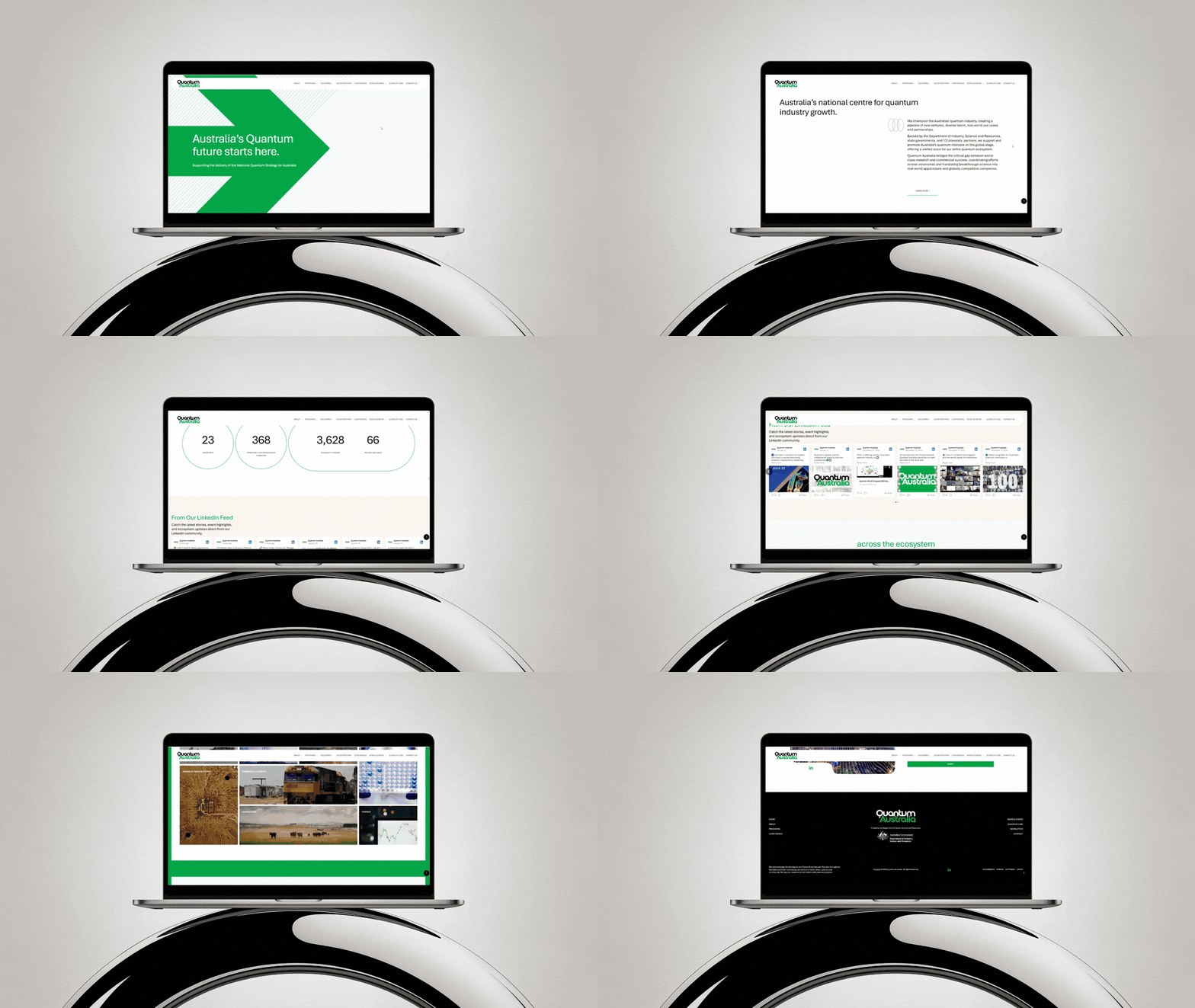




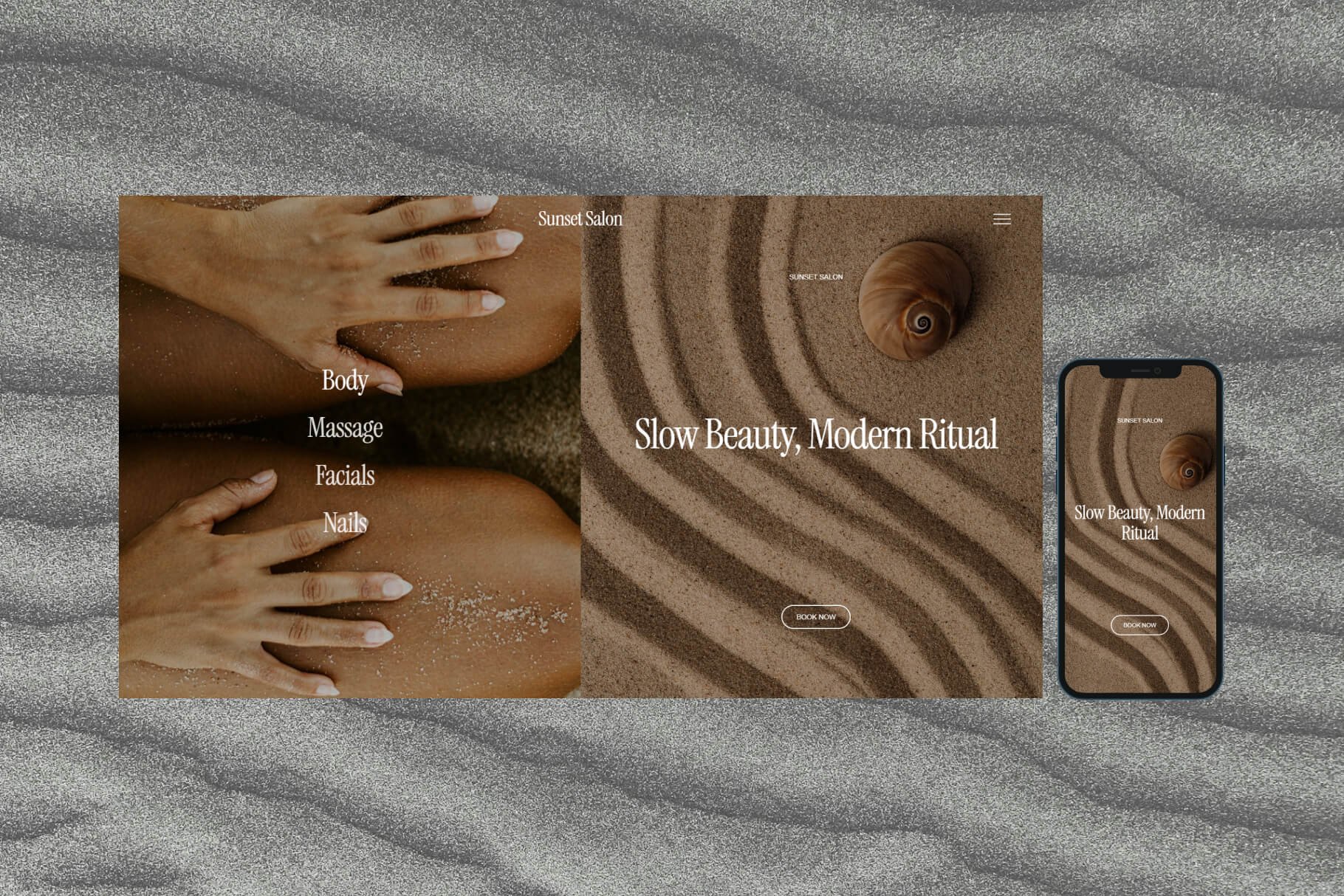






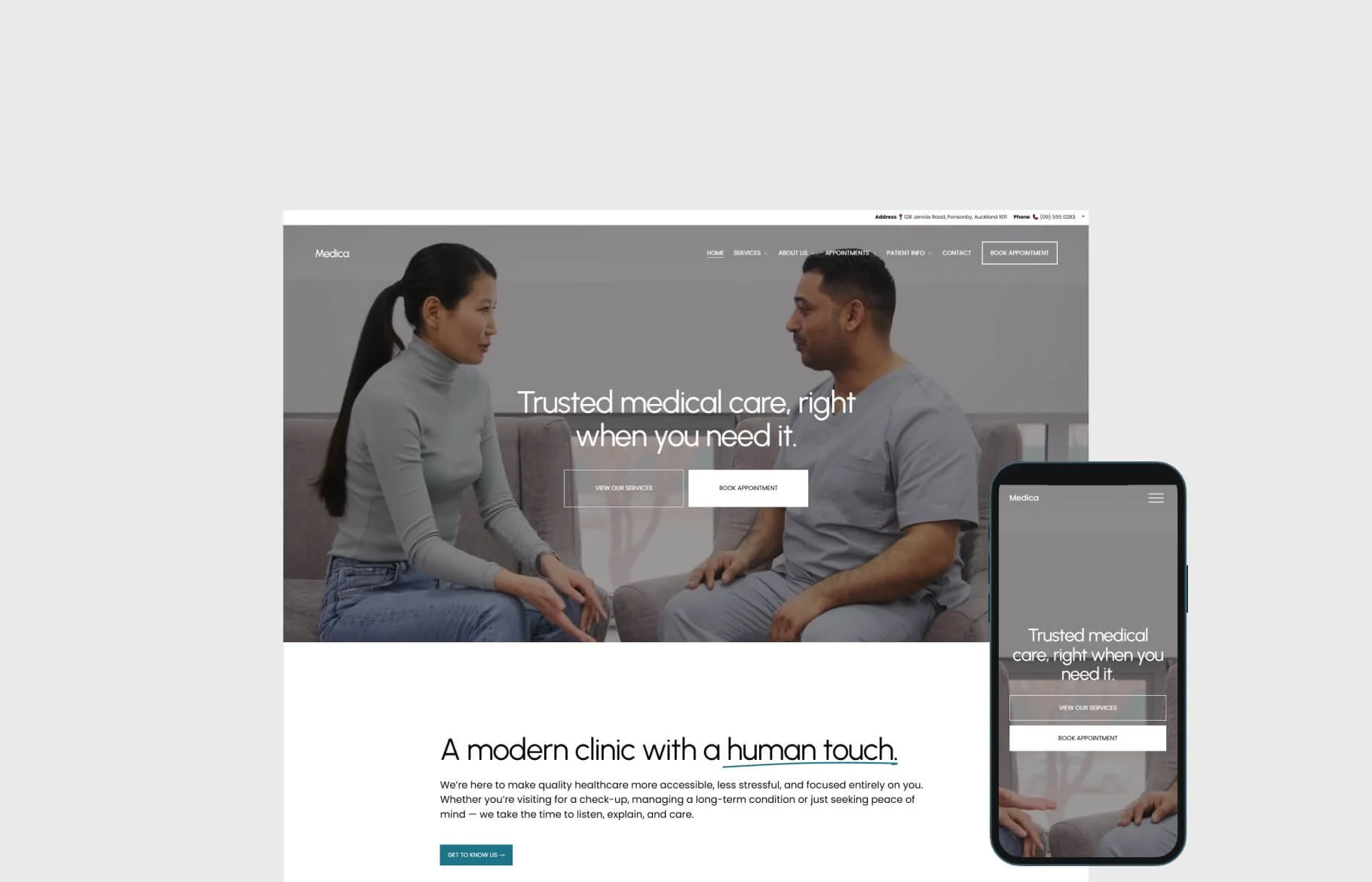




Your service page makes promises about your work, your process and the value you deliver. Does it give prospective clients enough evidence to believe them? Discover how relevant examples, clear explanations and thoughtful placement can make your expertise visible.